
verinice 34
The following new features are available to users with the release of verinice 34:
General functions
Status: Productive
Multiple selection - Delete
In the first iteration of multiple selection the deletion of multiple objects is supported. 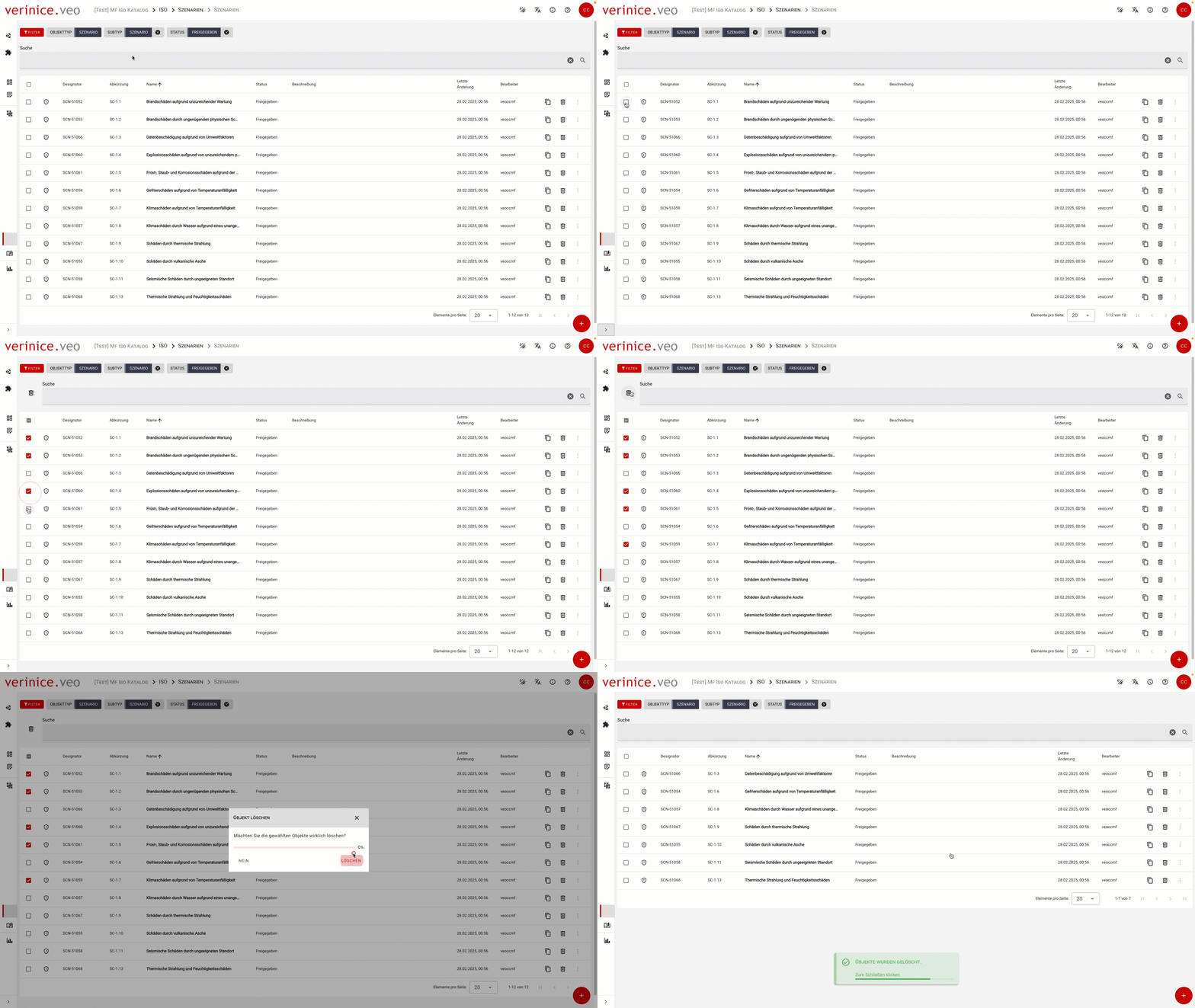
Feature toggle
Feature toggles are used to provide new functions, e.g. to receive feedback from users as early as possible in the development process. The first feature is the ability to switch between list and card view. 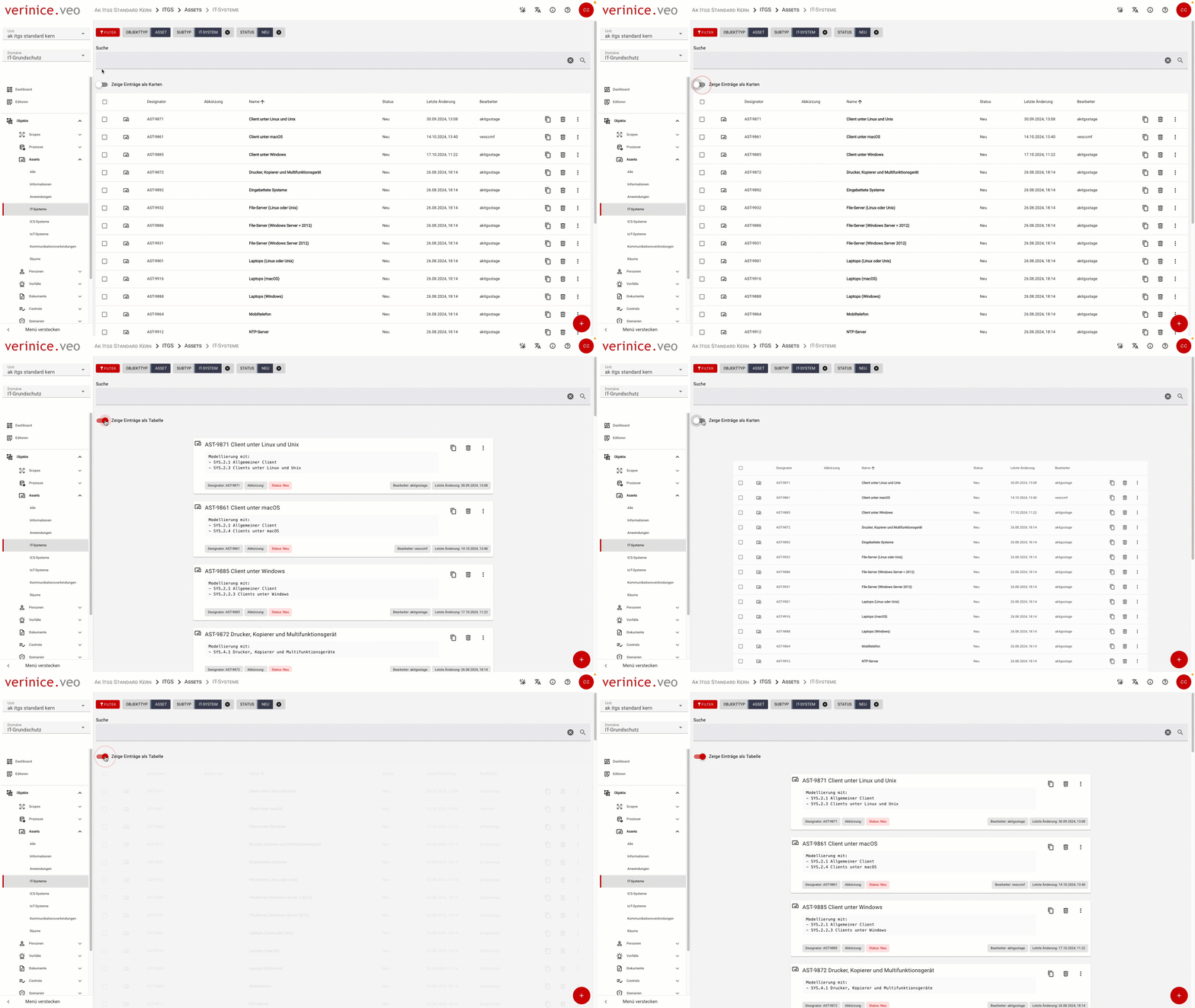
The feature toggles are only available in selected environments such as the sandbox for beta tests!
Detail improvements
- Domain-specific content can be customized via configuration files (only for Content Creator role).
Bug fixes
- Icon and tooltip for the documentation on the login page corrected.
Product maintenance
- Update of Nuxt and Nuxt/Kit to v3.15.4.
- Upgrade of the Nuxt i18n module to v9.
- Improvement of internationalization (SFC - separation of concerns).
- Extension of the test coverage.
Domain data protection
Status: Productive
- Extension and improvement of documentation.
- In the Data protection risk analysis report, risk-mitigating measures grouped in composites are read out.
Domain IT-Grundschutz
Status: Productive
- Protection requirement inheritance from processes to rooms added.
Domain NIS2
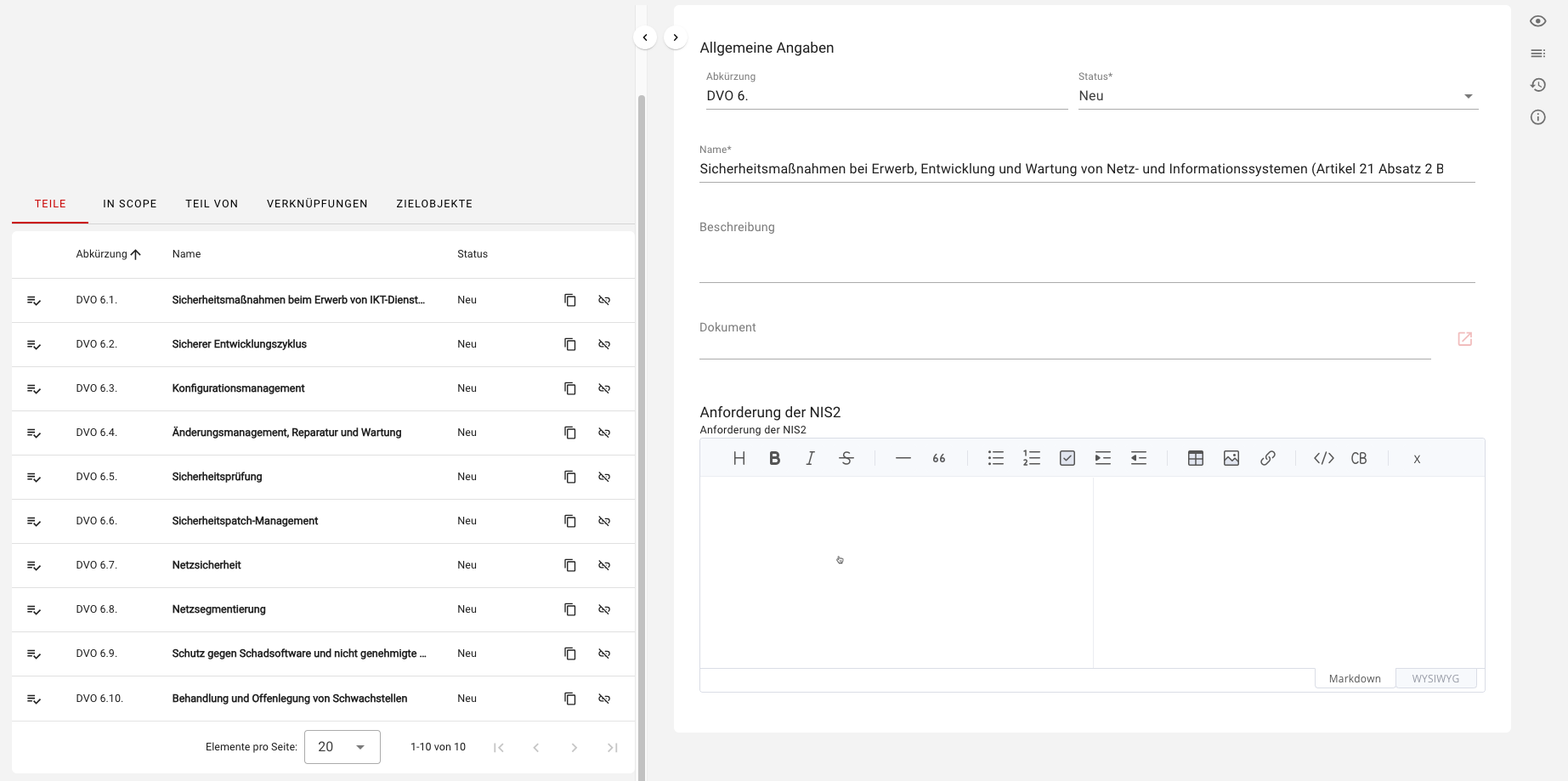
Status: Productive The implementing regulation (EU) 2024/2690 (Implementing Act) is available in the NIS2 domain:
- The NIS Implementing Act has been integrated into the NIS2 domain catalog.
- The NIS2 profile Domainwirtschaft has been extended to take account of the Implementing Regulation.
Domain ISO
Status: Prototype
- Creation of the risk catalog (conversion from verinice and adaptation to verinice.veo).
- Support for automated protection requirement inheritance.
Domain TISAX
Status: Private Beta
- Revision of the TISAX / VDA ISA catalog.
Domain BCM
Status: Prototype
- Support of a GAP analysis or self-assessment in the context of Business Continuity Management (BCM).
- Provision of the BCM requirements catalog of the BSI.